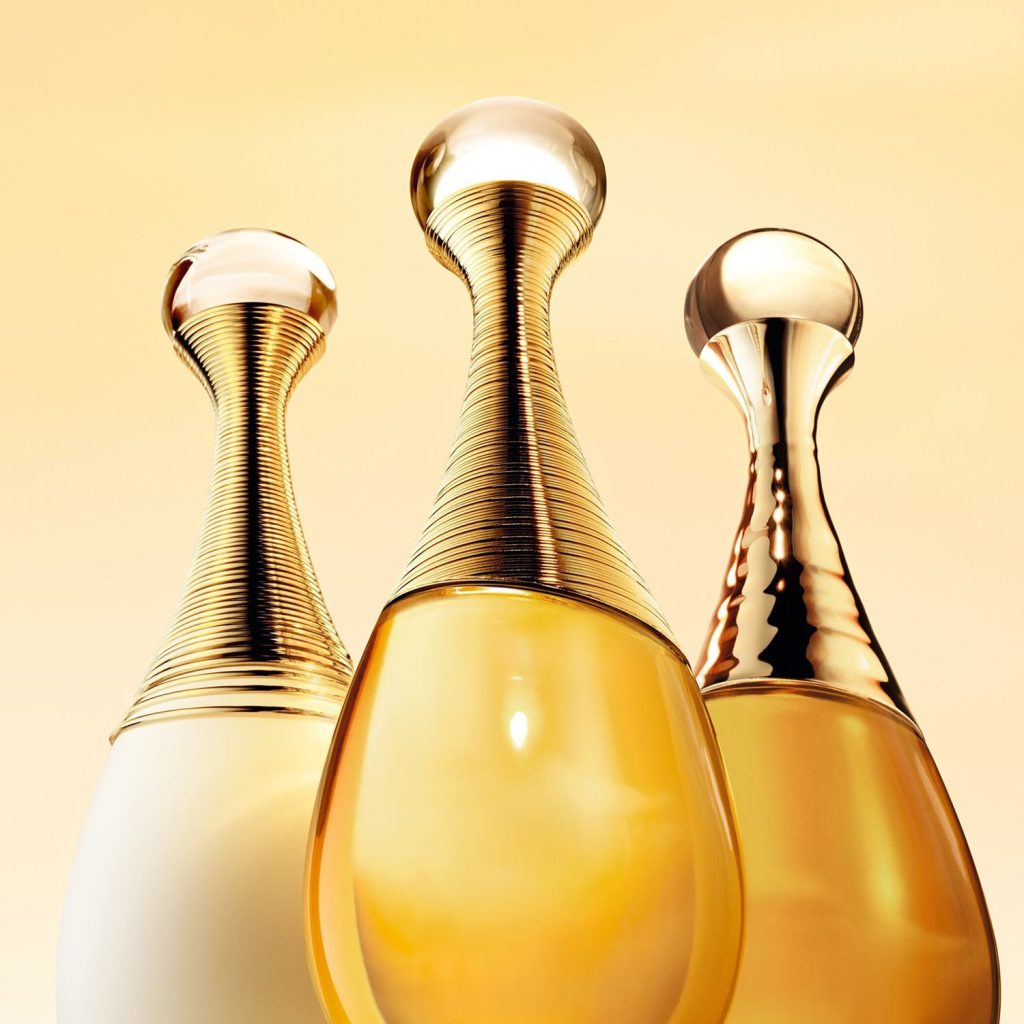
For a long time, I didn’t question it. Like most people, I thought perfume was harmless—just a finishing touch, a small detail in a daily routine. Something you wear without thinking twice. And then things changed. Hormonal issues appeared, confusion set in, and I was left trying to understand symptoms that didn’t make sense. That’s when I started looking closer at what I was putting on my body every single day. And one realization hit harder than the others: the products I trusted the most might not have been as harmless as I believed.
Now, when I look at a perfume like J’adore Dior, I don’t just see a fragrance anymore. I see exposure.
What most people don’t realize is that perfume isn’t just “floral” or “fresh.” It’s a complex chemical formula, often deliberately vague. That single word—“fragrance”—can hide dozens of compounds that you’ll never see listed individually. Organizations like the Environmental Working Group have been raising concerns about this lack of transparency for years. Consumers are exposed to mixtures of chemicals without fully knowing what they are or how they interact with the body. And some of these substances are being studied for their ability to interfere with the hormonal system.
This isn’t about immediate danger, and that’s exactly why it’s so easy to ignore. If you use a perfume once, nothing happens. There’s no visible reaction, no instant consequence. But endocrine disruptors don’t behave like traditional toxins. According to the World Health Organization, they can act at very low doses, over time, by interfering with hormonal balance. You don’t feel it happening. You don’t see it. But that doesn’t mean nothing is happening.
The real issue is repetition. Perfume isn’t a one-time exposure—it’s daily. Sometimes multiple times a day, applied directly to your skin, year after year. And it doesn’t exist in isolation. Skincare, deodorant, shampoo, household products—each one adds another layer. This is what researchers call the “cocktail effect,” the combined impact of multiple low-dose exposures. The reality is, we still don’t fully understand what that does to the human body over time.
Looking back, what strikes me most is how easy it was to assume everything was fine. The problem isn’t one product. It’s accumulation. It’s routine. It’s the false sense of security that comes from thinking: “if it’s sold, it must be safe.” But regulations don’t always reflect real-life use. They evaluate ingredients individually, not the way we actually use products—repeatedly, in combination, over years. And they don’t account for people who may already be vulnerable.
So yes, the question matters. Is J’adore Dior banned? No. Is it considered dangerous in the strict regulatory sense? No. But would I choose to use it today, knowing what I know now? Absolutely not.
This isn’t about fear. It’s about awareness. When you’ve been directly affected, it stops being theoretical. You start paying attention. You start questioning what you use. You realize how constant the exposure really is, and how much those small, repeated choices can matter over time.
You don’t need to throw everything away overnight. But you can start by looking at what you use every single day and asking yourself one honest question: is this product worth the uncertainty?
I don’t aim for perfection. But I do aim for awareness. And if there’s one thing I wish someone had told me earlier, it’s this: you don’t have to wait for a problem to start paying attention. Because by the time you connect the dots, it’s often much harder to go back.