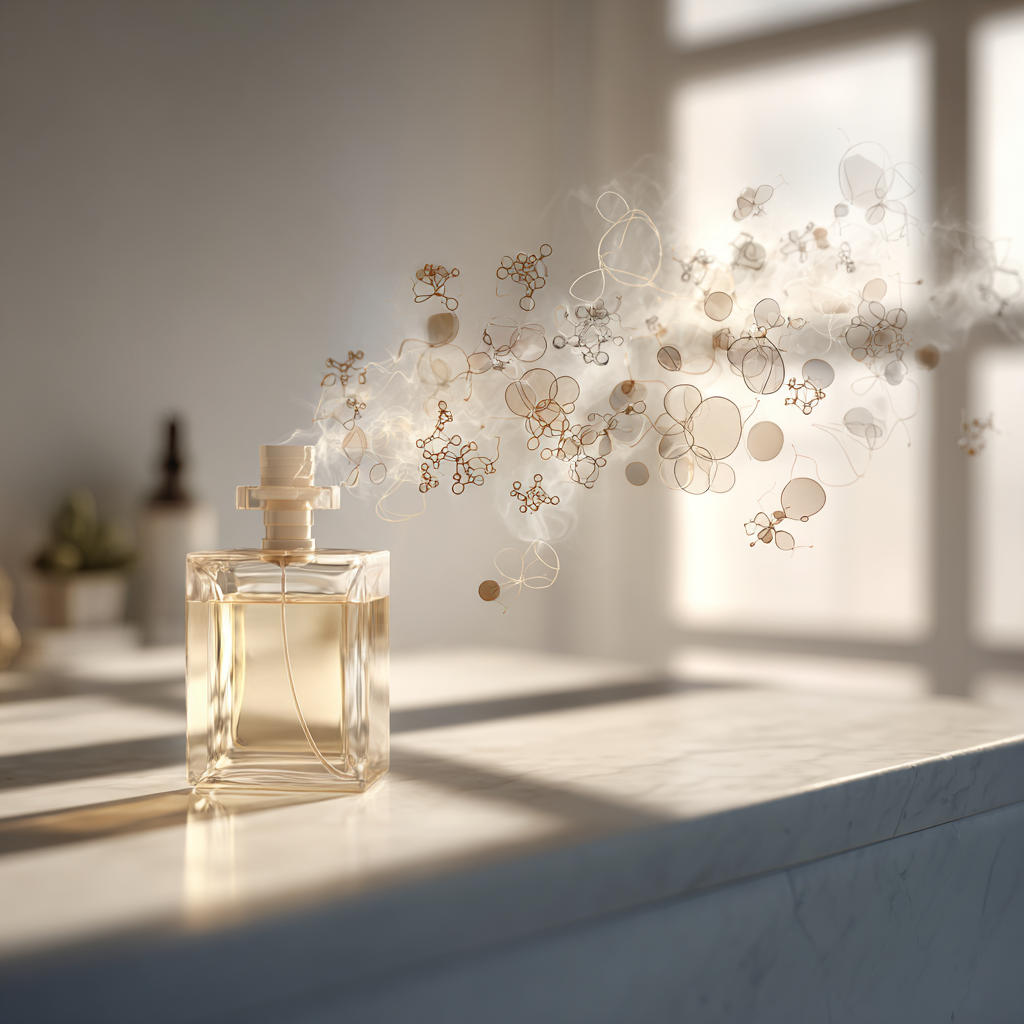
Perfume is a daily ritual for millions of people — a symbol of identity, elegance and personal expression. Yet in 2026, fragrances are increasingly at the center of a scientific and public health debate.
Many perfumes contain complex mixtures of chemical compounds, often listed simply as “fragrance” or “parfum” on product labels. Among these ingredients, researchers have identified substances such as phthalates and synthetic musks, which have been studied for their potential role as endocrine-disrupting chemicals (EDCs).
Endocrine disruptors are substances that may interfere with the body’s hormonal system — by mimicking, blocking or altering hormone signals. Because hormones regulate essential processes including metabolism, reproduction and thyroid function, even small disruptions have drawn scientific attention.
While regulatory agencies maintain that approved ingredients are used within established safety limits, researchers are increasingly examining the effects of long-term and cumulative exposure, especially as fragrances are often used alongside other cosmetic products.
As public awareness grows and new investigations emerge in 2026, questions about fragrance safety are becoming more prominent.
It is in this context that the article “Perfume chemicals may harm hormonal balance” takes a closer look at the evidence, expert opinions and potential health implications surrounding perfume ingredients and their possible impact on hormonal balance.